Japan Guide
Influencer marketing in Japan: a guide for overseas brands
Updated · By Haruto Fukunaga, CEO, Faise Inc.
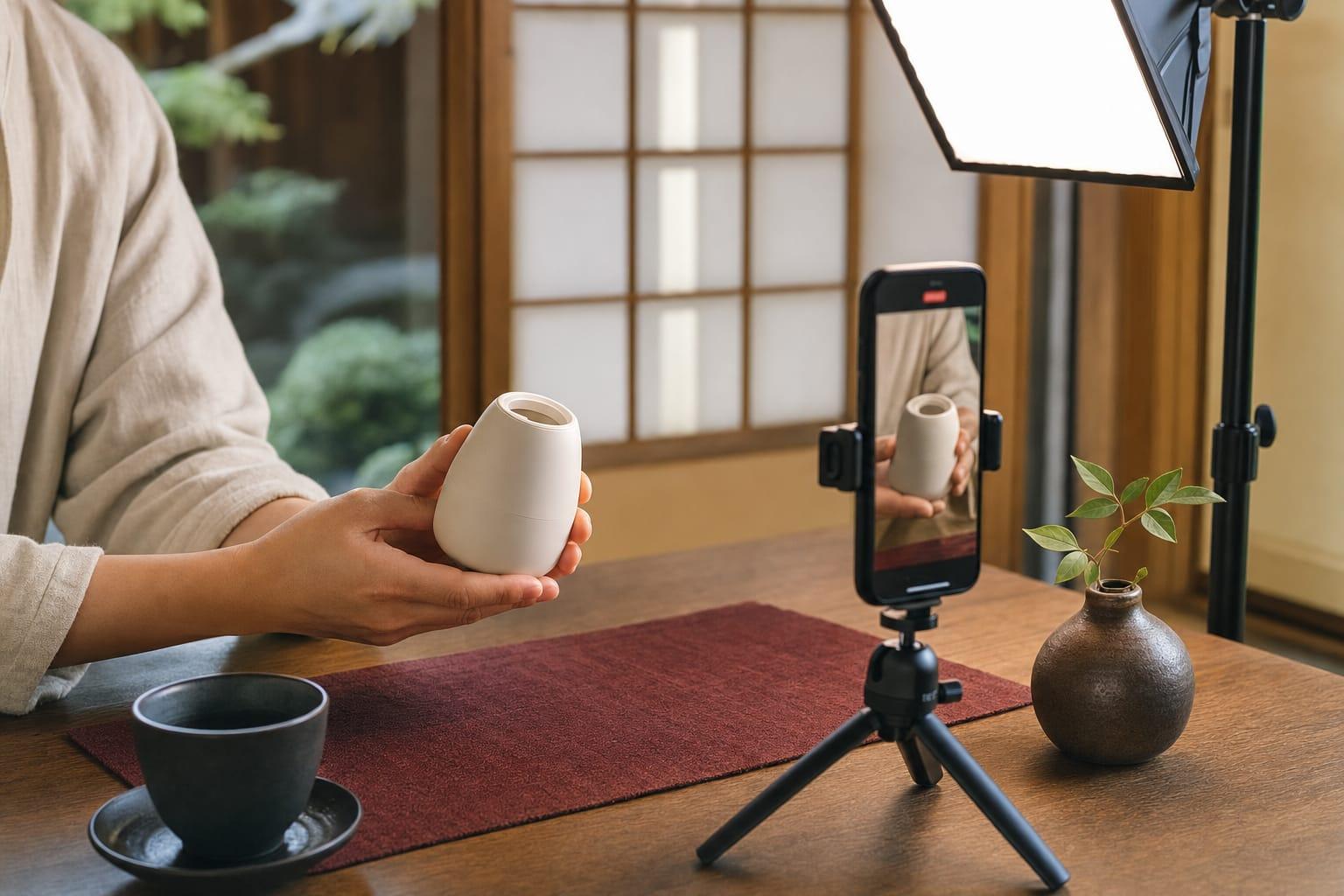
For many overseas brands, Japanese creators are the fastest way to be discovered in Japan. But influencer marketing in Japan has its own platforms, tone and rules. This guide covers what to know before you start working with Japanese influencers — and how to make the content keep working after the post goes live.
Key takeaways
- Japanese consumers often discover products through creators they already trust on Instagram, TikTok and YouTube; X is also widely used in Japan.
- Choose creators for fit and trust, not follower count alone — detailed, honest reviews work better than hard selling.
- Paid posts must be clearly disclosed as ads: Japan regulates stealth marketing under its misleading-representations law.
- Plan for reuse: good creator content can become ads, product page assets and proof for marketplaces and retailers.
Which platforms matter in Japan
The main platforms for product discovery in Japan overlap with other markets, but how people use them differs. Choosing the platform depends on your category and who you want to reach.
| Platform | Typical use | Good for |
|---|---|---|
| Visual discovery, saving posts, short videos | Beauty, skincare, lifestyle goods | |
| TikTok | Short videos that spread quickly | Products with a visible effect or a clear "wow" moment |
| YouTube | Longer reviews and explanations | Gadgets and products that need detailed explanation |
| X | Real-time conversation and word of mouth | Launches, gadgets, products with a fan community |
How to choose Japanese creators
Follower count alone is a weak signal. What matters is whether the creator’s audience matches your customers and whether their followers trust their recommendations. In Japan, careful and honest reviews tend to work better than aggressive selling.
- Audience fit: age, interests and lifestyle that match your product.
- Trust: comments and saves that show followers act on recommendations.
- Content style: does the creator explain products in detail, or just show them?
- Track record: past product posts that look natural rather than scripted.
Disclosure rules: avoid stealth marketing
Japan regulates stealth marketing. Since October 2023, advertising that hides the fact that it is an ad is treated as a misleading representation under the Act against Unjustifiable Premiums and Misleading Representations. In practice, paid or gifted posts should be clearly labeled as ads or promotions, and the claims in the post must also be accurate.
Categories such as cosmetics also have limits on what can be claimed in advertising, and those limits apply to influencer posts as well.
This guide is general information, not legal advice. Rules change and depend on the exact product, so confirm the requirements for your product with a specialist or the relevant Japanese authority before you launch.
Make creator content work beyond the post
A single post fades quickly. The brands that get the most from Japanese creators plan for the content to be reused — with the creator’s permission and proper disclosure.
- Brief creators on the product and the key points Japanese buyers care about, then let them speak in their own words.
- Find the posts that perform best and run them as ads to reach more people.
- Use creator content and the reviews it generates on product pages for Amazon Japan, Rakuten or your own store.
- Use the results as proof when talking to Japanese retailers and wholesalers.
How Faise approaches influencer marketing in Japan
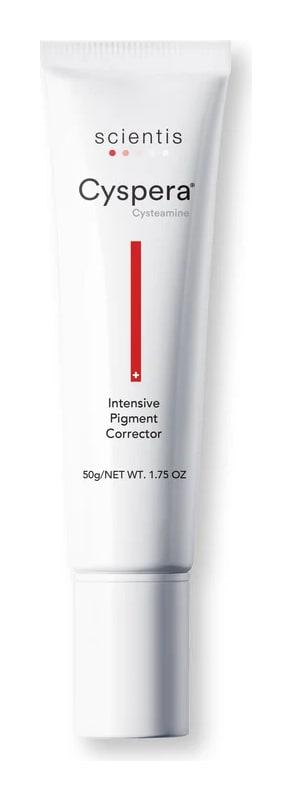
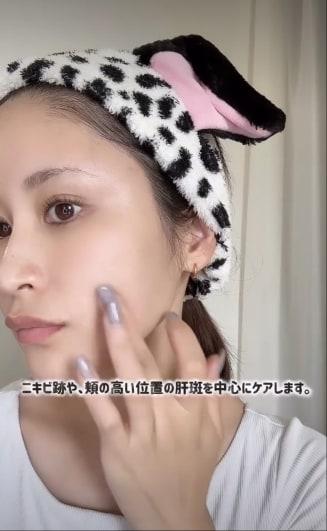
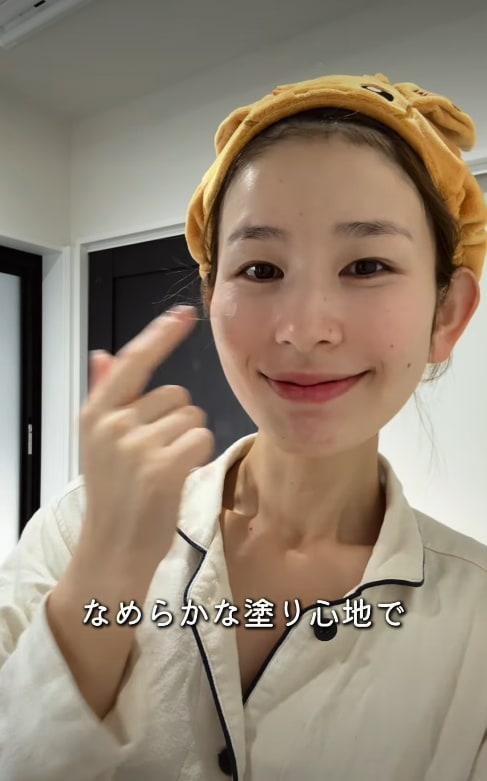
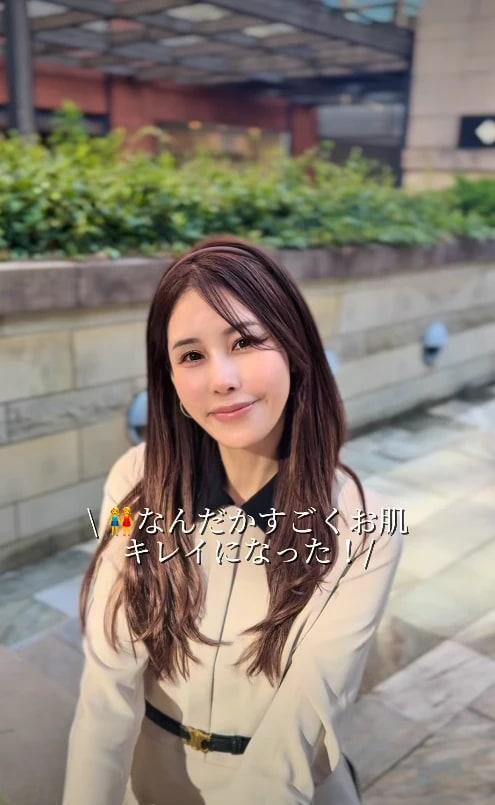
Faise’s Japan team includes marketers who specialize in Japanese consumers and active influencers, and through the team’s own connections we work with many influencers across Japan. For Cyspera, a skincare product from the Swiss brand scientis, influencer promotion runs alongside sales on Amazon Japan and online stores and ad operations.
Frequently asked questions
Q.Do Japanese influencers need to disclose sponsored posts?
Yes. Japan regulates stealth marketing, so posts that are paid for or otherwise arranged by a brand should be clearly identified as ads or promotions.
Q.Should we work with large or small influencers in Japan?
It depends on the goal. Large creators reach many people quickly, while smaller creators with a close audience can drive trust and detailed reviews. Many launches combine both.
Q.Can we run influencer marketing in Japan without a Japanese team?
Yes, by working with a partner in Japan who handles creator selection, Japanese briefing, content checks and reporting.
Thinking about Japan for your brand?
The Japan Fit Check is free. Share a product link and a short overview, and Faise’s Japan team will tell you honestly whether Japan makes sense for your brand — and how to start.