Japan Guide
How to launch a beauty or skincare brand in Japan
Updated · By Haruto Fukunaga, CEO, Faise Inc.
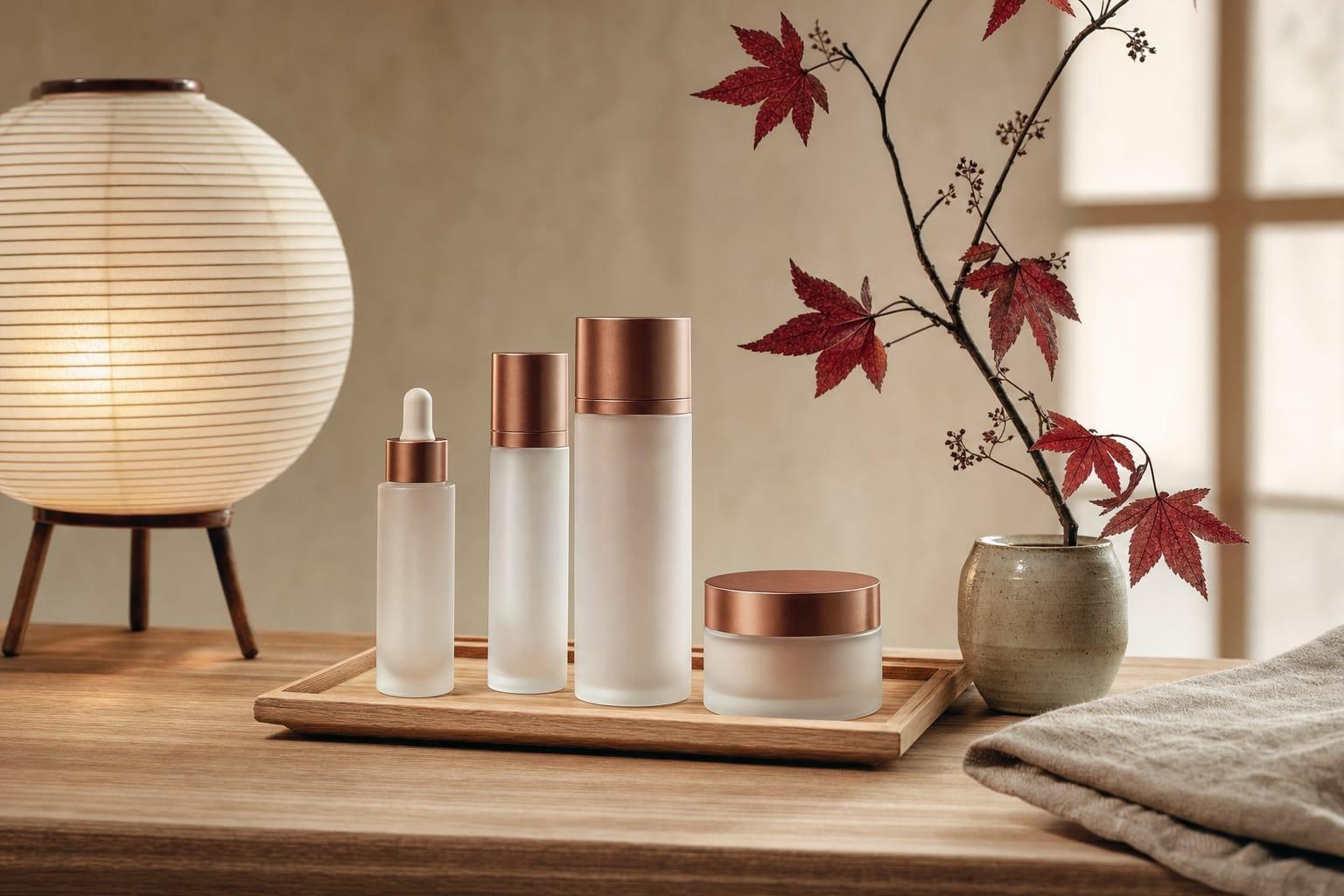
Japan is one of the most demanding beauty markets in the world: consumers compare ingredients, textures and reviews in detail. That makes it hard to enter casually — and rewarding once your brand earns trust. This guide covers the regulations, marketing and sales channels to plan for when launching a beauty or skincare brand in Japan.
Key takeaways
- Cosmetics sold in Japan fall under the PMD Act: a licensed company in Japan takes responsibility for the product, and ingredients and Japanese labeling must meet the standards.
- Advertising claims for cosmetics are limited, and the same limits apply to product pages and influencer posts.
- Japanese beauty buyers rely heavily on reviews and trusted creators — build those before scaling.
- Common launch channels include Amazon Japan, Rakuten, Qoo10 and your own online store, followed by specialty retail.
Regulations: cosmetics under the PMD Act
In Japan, cosmetics are regulated under the Pharmaceuticals and Medical Devices Act (PMD Act). A company licensed in Japan must take responsibility for marketing the product, the formula must comply with Japan’s cosmetics standards on ingredients, and the packaging needs Japanese labeling, including the full ingredient list.
Products that claim specific effects beyond cosmetics — for example some whitening or anti-acne claims — may fall into the quasi-drug category, which requires approval. Check where your product falls before planning your messages.
This guide is general information, not legal advice. Rules change and depend on the exact product, so confirm the requirements for your product with a specialist or the relevant Japanese authority before you launch.
| Item | What to check |
|---|---|
| Responsible company | Who in Japan holds the license and takes responsibility for the product |
| Ingredients | Whether every ingredient is allowed under Japan’s cosmetics standards |
| Labeling | Japanese labels, including the full ingredient list and required information |
| Category | Whether the product is a cosmetic or a quasi-drug, based on its claims |
| Claims | Whether ad copy, product pages and influencer posts stay within permitted claims |
Marketing: earn trust through reviews and creators
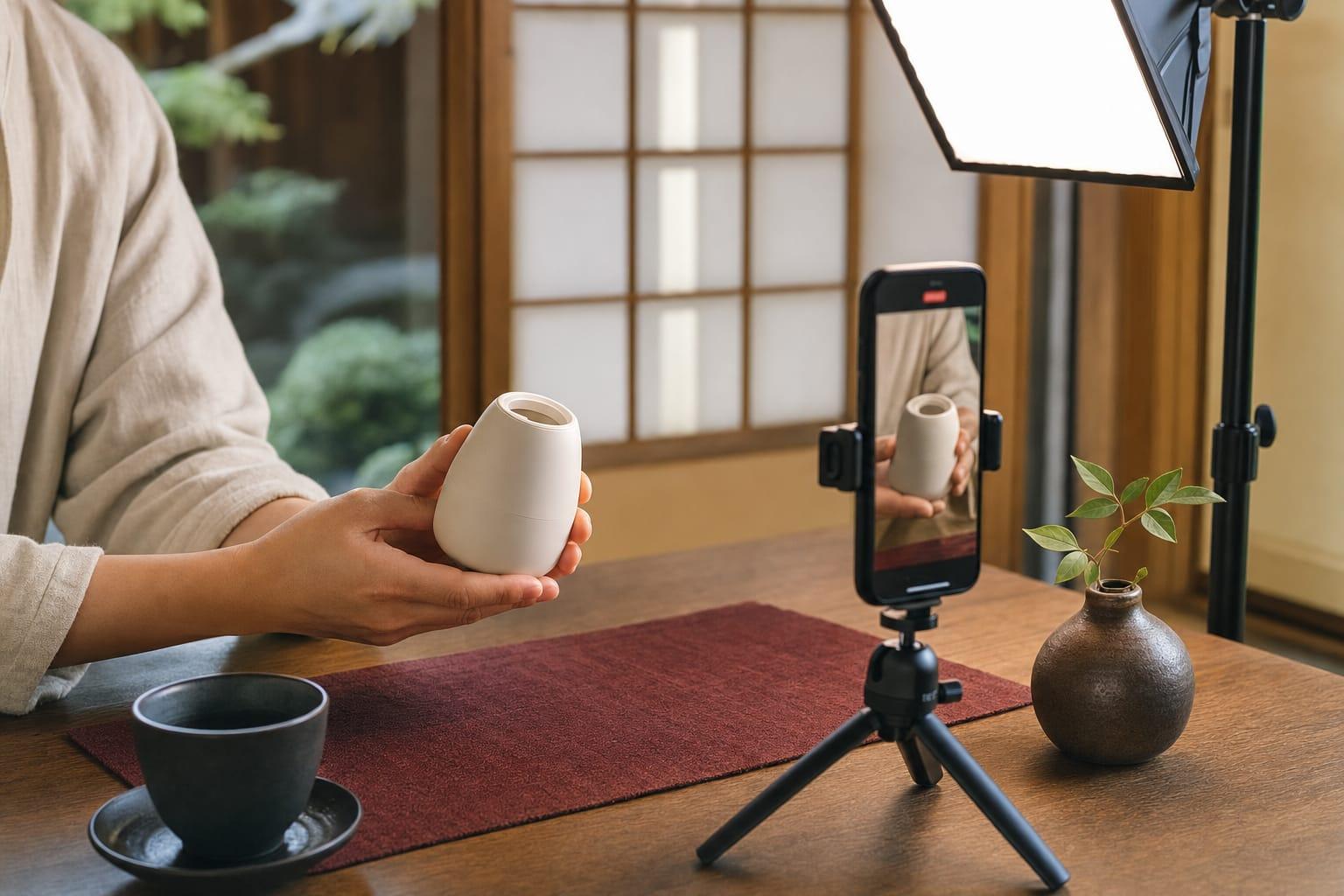
Japanese beauty consumers read reviews closely and often discover products through creators they trust on Instagram, TikTok and YouTube. Review platforms such as @cosme are also part of how many people research beauty products. For a new overseas brand, the first goal is credible proof: honest creator content and real customer reviews.
- Work with creators whose skin concerns and audience match your product.
- Show texture, how to use and how the product fits into a Japanese routine.
- Keep every claim within what is allowed for cosmetics, and disclose sponsored posts as ads.
- Collect reviews early and feature them on your product pages.
Sales channels for beauty brands in Japan
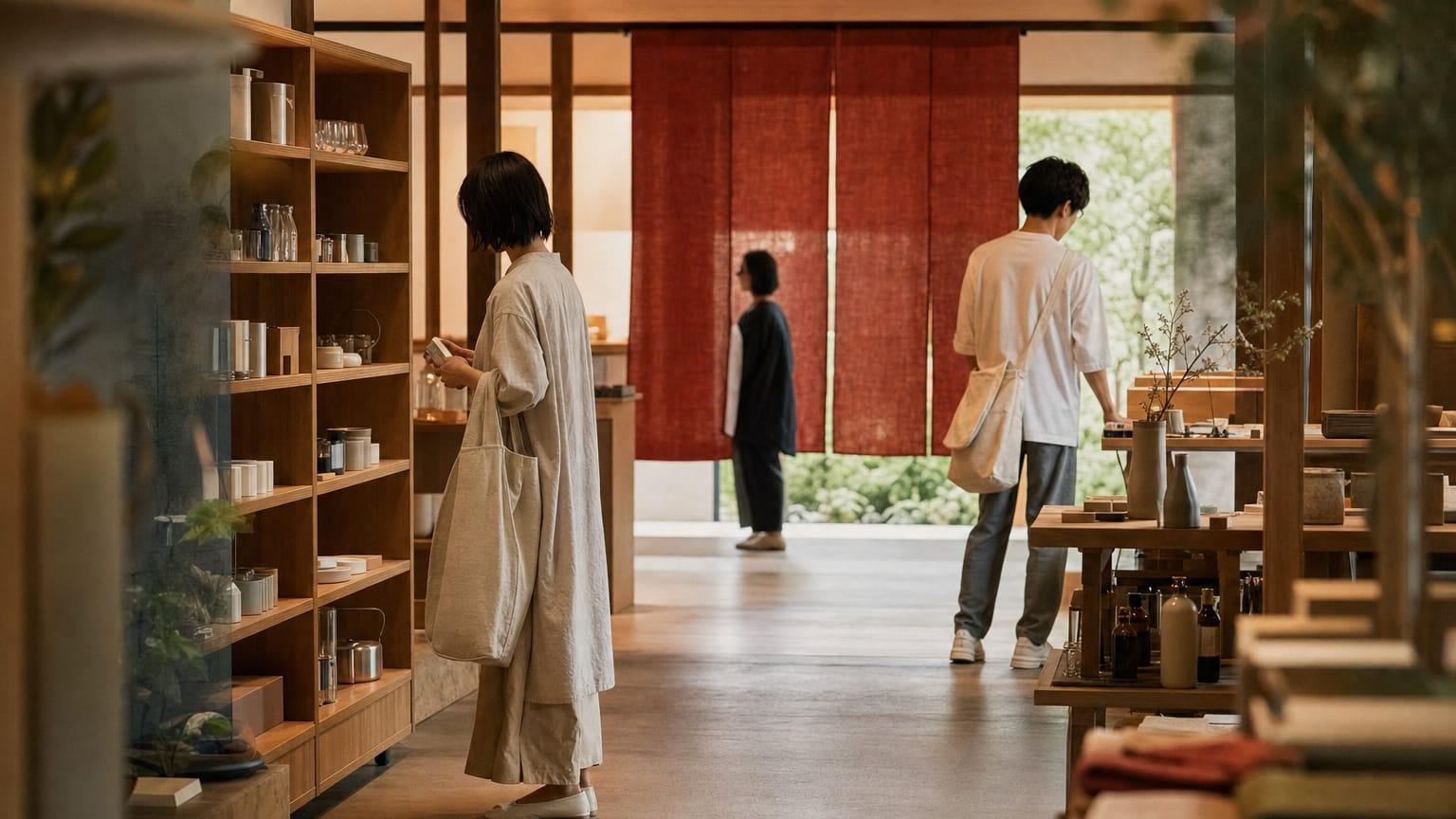
Most overseas beauty brands start online, where they can test demand and build reviews, and move into retail once they have a sales record in Japan.
| Channel | Role in the launch |
|---|---|
| Amazon Japan | Broad reach and convenient purchasing; reviews matter |
| Rakuten Ichiba | Large marketplace with its own shopper base and campaigns |
| Qoo10 | Popular with beauty shoppers looking for overseas brands |
| Your own online store | Brand experience, customer data and repeat purchases |
| Specialty and lifestyle stores | Physical presence once you have proof of demand |
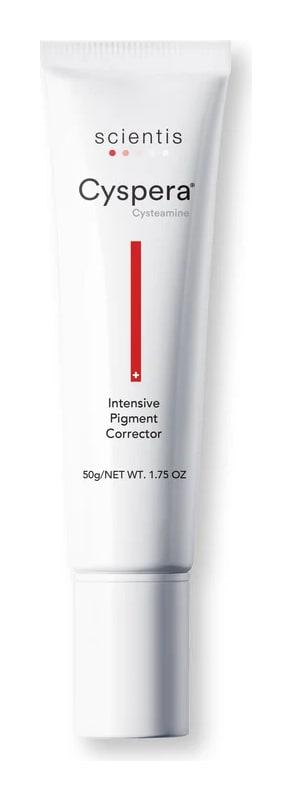
Example: Cyspera by scientis
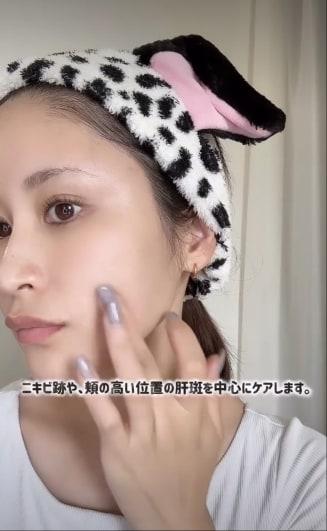
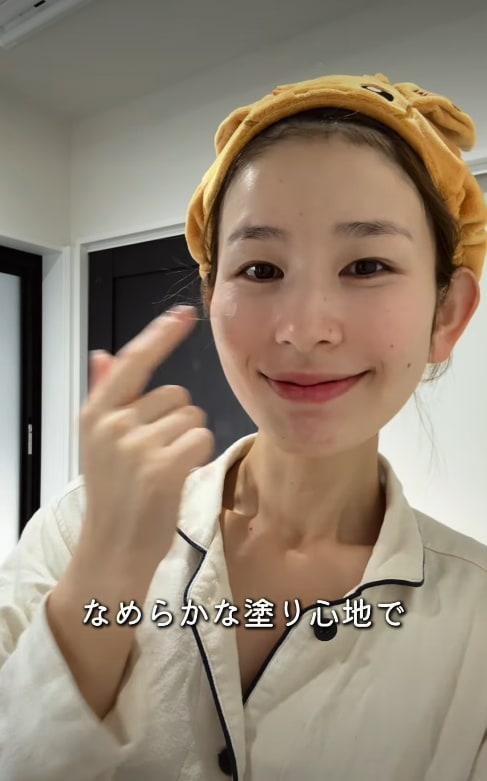
Faise supports the Japan expansion of Cyspera, a skincare product from the Swiss brand scientis — from selling on Amazon Japan and online stores to ad operations and promotion with Japanese influencers.

Frequently asked questions
Q.Can we sell cosmetics in Japan without a Japanese company?
A company licensed in Japan must take responsibility for marketing cosmetics there. Many overseas brands work with a Japanese partner that holds the license rather than setting up their own entity.
Q.Do product labels need to be in Japanese?
Yes. Cosmetics sold in Japan need Japanese labeling, including the full ingredient list.
Q.What can we claim in ads for skincare in Japan?
Cosmetics can only use a limited range of claims, and stronger effect claims may require the product to be approved as a quasi-drug. The same limits apply to product pages and influencer posts.
Thinking about Japan for your brand?
The Japan Fit Check is free. Share a product link and a short overview, and Faise’s Japan team will tell you honestly whether Japan makes sense for your brand — and how to start.