Japan Guide
How to enter the Japanese market: a step-by-step guide for consumer brands
Updated · By Haruto Fukunaga, CEO, Faise Inc.
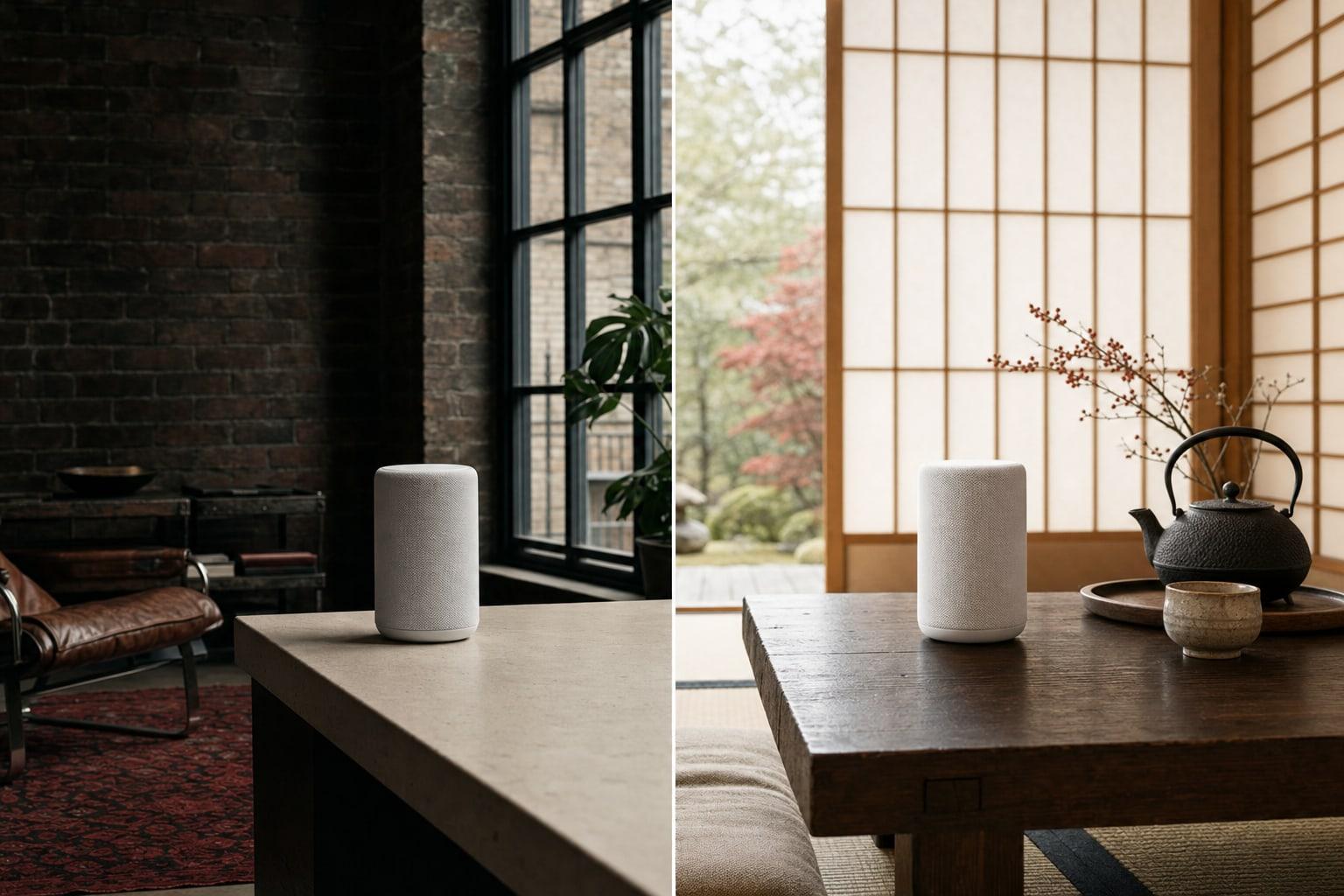
Many overseas brands never planned to sell in Japan — and then find Japanese customers ordering from abroad, or a distributor asking about rights. Entering the Japanese market does not require opening an office on day one, but it does require getting a few things right in the right order. This guide walks through the steps we see matter most for consumer brands in beauty, lifestyle and gadgets.
Key takeaways
- Start with fit, not paperwork: check whether your product, price and story make sense for Japanese consumers before investing in a full launch.
- Find out early which rules apply — cosmetics, electrical products and radio devices each have their own requirements in Japan.
- Decide who acts for you locally: an exclusive partner who drives sales and marketing, or a marketing team that works alongside your existing sales setup.
- Localize the story, not just the words, and build trust through Japanese creators and reviews before scaling to marketplaces and retail.
1. Check whether your product fits Japan
Japanese consumers tend to research carefully before buying. They read ingredient lists, specifications and reviews, and they notice details such as packaging, instructions and after-sales support. A product that does well elsewhere is not automatically a fit, and a product that seems niche can find a loyal audience.
Before committing budget, check a few things: whether similar products already sell in Japan and at what price, whether your product needs changes (labels, sizes, instructions), and whether your brand story will make sense to Japanese buyers.
- Category demand: are Japanese consumers already buying products like yours online or in stores?
- Price position: after shipping, import costs and margins, where will your price sit against local alternatives?
- Product changes: Japanese labeling, manuals and support, plus any certification the product needs.
- Story: what is the one reason a Japanese customer should choose you?
2. Understand the rules that apply to your product
Requirements in Japan depend on the product category. Checking them early avoids the most expensive surprise: products held up after they have already been made or shipped.
This guide is general information, not legal advice. Rules change and depend on the exact product, so confirm the requirements for your product with a specialist or the relevant Japanese authority before you launch.
| Category | What to check | Notes |
|---|---|---|
| Cosmetics and skincare | Pharmaceuticals and Medical Devices Act (PMD Act) | A licensed company in Japan is responsible for marketing the product; ingredients and Japanese labeling must meet the cosmetics standards, and advertising claims are limited. |
| Electrical products | PSE mark (Electrical Appliance and Material Safety Act) | Many electrical products and some batteries need PSE marking before they can be sold. |
| Wireless devices | Giteki certification (Radio Act) | Products using Bluetooth, Wi-Fi or other radio functions generally need Japanese radio certification. |
| All products | Labeling and advertising rules | Product pages, ads and influencer posts must not mislead, and paid promotions must be disclosed as ads. |
3. Decide who acts for you in Japan
Most brands entering Japan do not start with their own entity. Instead, a local party handles the parts that need a presence in Japan, such as import, sales and customer support. What matters is being clear about who does what.
At Faise we offer two models. As your exclusive partner in Japan, we take responsibility for the brand in Japan and drive both sales and marketing over the long term. As your marketing team in Japan, you keep your current sales setup and we plan and run marketing — localization, influencers, content and ads. Import, certification, logistics and Japanese customer support are handled together with specialist partners.
| Exclusive partner | Marketing team | |
|---|---|---|
| Who sells | The partner, as your representative in Japan | You or your existing distributor |
| Who markets | The partner | The partner |
| Best for | Brands with no Japan setup yet | Brands that already sell in Japan or have a distributor |
| Your role | Product supply, information and key approvals | Sales operations, plus approvals on marketing |
4. Localize the story, not just the words
A translated product page is rarely enough. Japanese buyers respond to clear explanations, careful details and a story told in a way that feels natural in Japanese. That usually means rewriting the concept and key messages for Japan, re-shooting or re-editing content, and preparing answers to the questions Japanese customers actually ask.
- Rewrite the main message for Japanese consumers instead of translating your global tagline.
- Prepare detailed product pages: specifications, how to use, ingredients or materials, and support information.
- Create content that shows the product in a Japanese setting and lifestyle.
5. Build trust first, then scale sales
Japanese consumers often discover new products through Instagram, TikTok and YouTube creators they trust, and reviews keep working long after launch. A practical order is to build awareness and early reviews with creators, then use that proof to grow on marketplaces and, later, in retail.
- Launch with Japanese creators who genuinely fit the product, with ads disclosed properly.
- Turn the best-performing creator content into ads and product page assets.
- Grow on e-commerce marketplaces such as Amazon Japan and Rakuten, plus your own online store.
- Use your Japanese sales record to approach specialty stores, retailers and wholesalers.
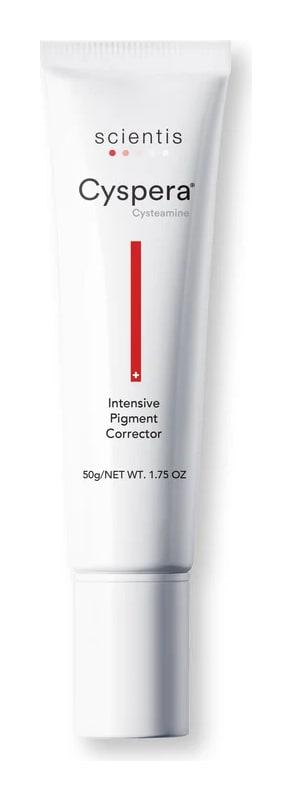
Example: bringing Cyspera by scientis to Japan
Faise supports the Japan expansion of Cyspera, a skincare product from the Swiss brand scientis. The work covers sales on Amazon Japan and online stores, ad operations and promotion with Japanese influencers.



Frequently asked questions
Q.Do we need a Japanese company to sell in Japan?
Not necessarily. Depending on the setup, a partner in Japan can act as the local party for import and sales. The right structure depends on your product and how you want to work.
Q.How long does it take to enter the Japanese market?
It depends on the product, whether certification is needed and which sales channel you start with. Products that need certification or regulatory steps take longer than those that can be sold as they are.
Q.Which products do well in Japan?
There is no single answer, but products with clear quality, careful design and a story that makes sense to Japanese consumers tend to do well. Beauty and skincare, lifestyle goods and gadgets are common categories for overseas brands.
Thinking about Japan for your brand?
The Japan Fit Check is free. Share a product link and a short overview, and Faise’s Japan team will tell you honestly whether Japan makes sense for your brand — and how to start.